




International Women's Rights Day: What If Art Could Tell This Story Too?
Every year, March 8th marks International Women's Rights Day — a date that carries over a century of feminist struggles, social demands, and collective courage. But this story of visibility hard-won also resonates with particular force in the world of art, where women have long painted, sculpted, and created in the shadows.
March 8th: The History of a Day Born from Feminist and Labour Struggles
International Women's Rights Day did not establish itself overnight. It grew out of feminist struggles waged across Europe and America from the early 20th century onwards. On February 28, 1909, the first "National Woman's Day" was celebrated in the United States at the call of the Socialist Party of America. Plan International
It was at the Second International Conference of Socialist Women, held in Copenhagen in 1910, that Clara Zetkin — German journalist and activist — called on socialist women across all countries to organise an international women's day every year. It was celebrated as early as March 19, 1911, in Austria, Germany, Denmark, and Switzerland. Vie-publique
The date of March 8th came to prominence through a decisive event. On March 8, 1917, women took to the streets of Petrograd to demand "bread and peace." This demonstration marked the beginning of the Russian Revolution, and March 8th was officially commemorated in the Soviet Union from 1921 onwards. Vie-publique
It was not until 1977 that the United Nations officially recognised International Women's Day, encouraging all countries worldwide to celebrate women's rights. In France, it was in 1982, under the impetus of Yvette Roudy, Minister Delegate for Women's Rights, that March 8th was recognised as International Women's Rights Day. Vie-publique
In 2026, the theme chosen by the UN is particularly powerful: "Rights. Justice. Action. For all women and girls" — a call never to take equality for granted. F-information
Women in Art: Present as Subjects, Absent as Creators
International Women's Rights Day invites us to look at where inequality hides. And in art history, it has nestled within a striking paradox: women have always been represented in artworks yet rarely recognised as their creators.
Walk through any museum: feminine representations are everywhere, from ancient goddesses to academic nudes. Yet the names on the labels are almost exclusively male. This is no accident. It is the result of a system that, for centuries, closed the doors of artistic training and recognition to women.
In practical terms, women were long denied access to life drawing classes, which effectively excluded them from history painting — the most valued and best-paid genre of the time. Added to this were a numerus clausus at the Royal Academy, training deemed "sufficient" for women but far inferior to that provided for men, and an imposed domestic vocation that restricted their practice to minor genres such as still life and portraiture.
Numbers That Are Hard to Fathom
The consequences of this erasure are still visible today in the collections of major museums. Of the 35,000 works on display at the Louvre, only around thirty are signed by women. In the Joconde database, which catalogues the collections of French national museums, fewer than 1% of works are attributed to women. At MoMA in New York, 80% of nudes depict female figures — yet only 5% of works are signed by women.
These figures do not say there were no women artists. They say that women were forgotten.
Rewriting Art History in the Feminine
The good news is that this narrative is changing. In recent years, a new generation of curators, art historians, and museum institutions has been working to bring forgotten women artists back into the light, in all art disciplines. Exhibitions such as Elles font l'abstraction at the Centre Pompidou and Peintres femmes at the Musée du Luxembourg have helped restore a place to creators who were long marginalised.
Platforms such as AWARE (Archives of Women Artists, Research and Exhibitions) are actively working to catalogue, document, and promote the work of women artists across the world and across the centuries.

Knowing the names of Camille Claudel, Frida Kahlo, Louise Bourgeois, Charlotte Perriand, and Zaha Hadid is to take part in this necessary re-reading of history. It is to refuse forgetting.

Our Iconic Women in Art Game: A Cultural and Committed Act
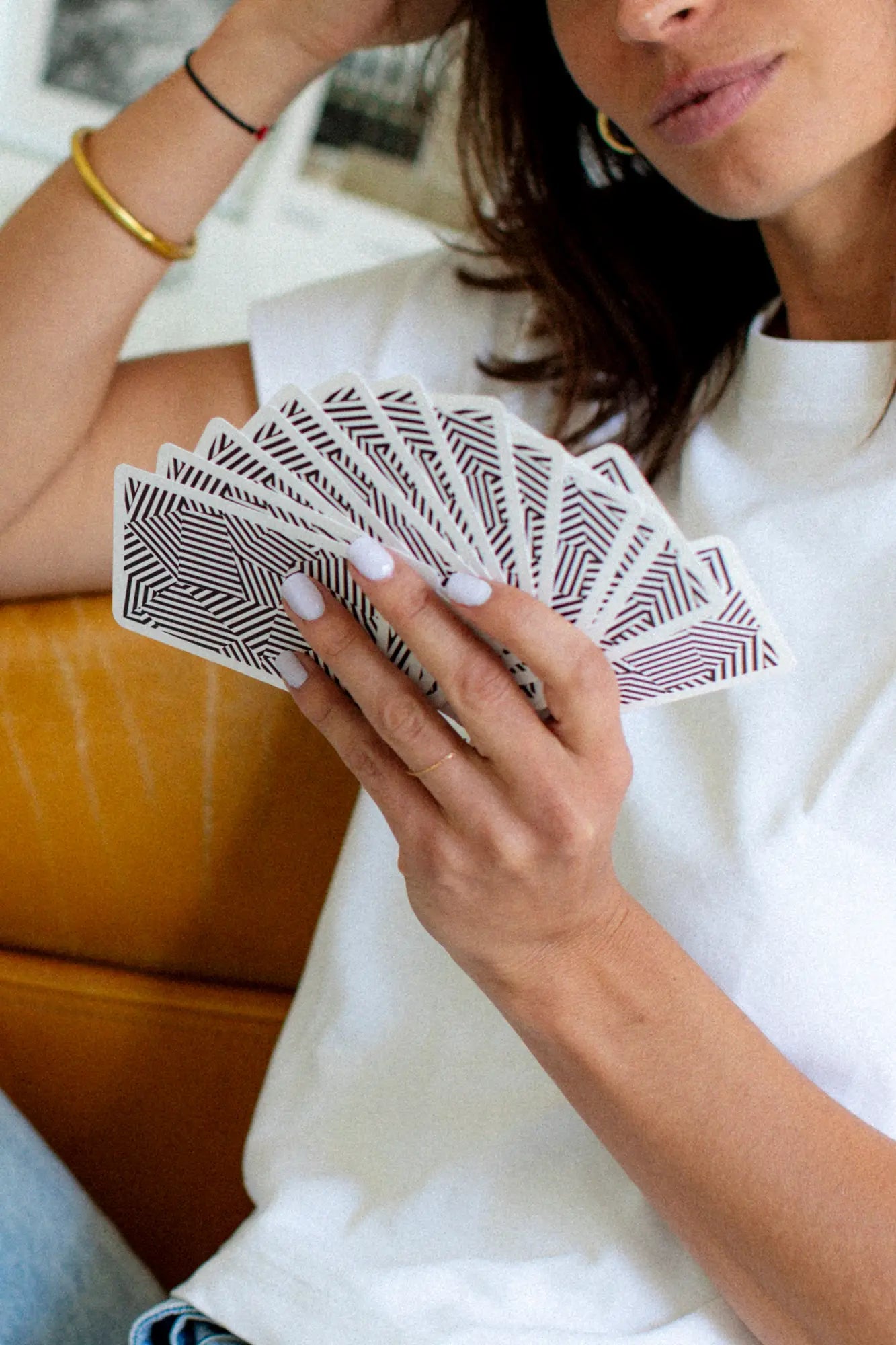
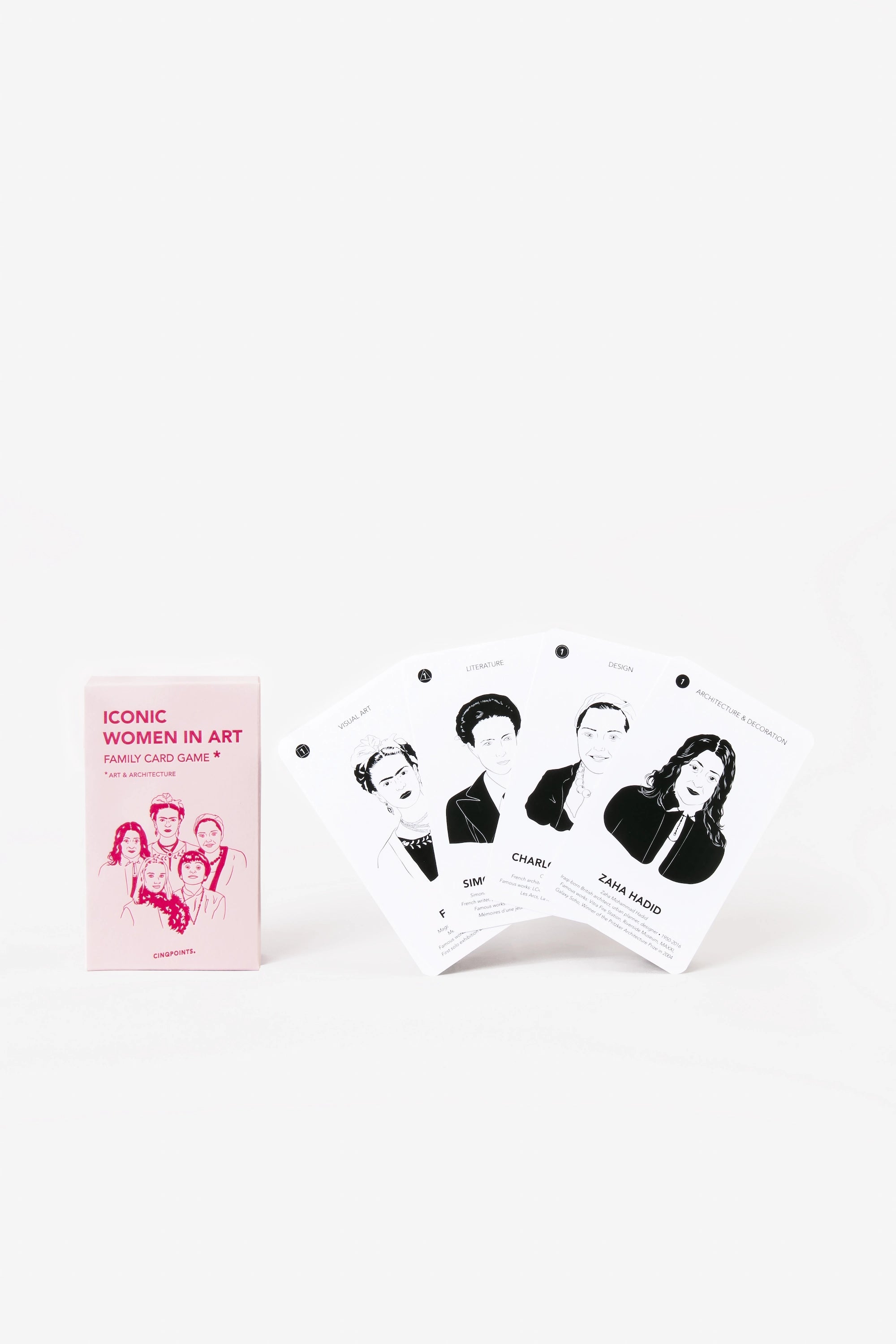
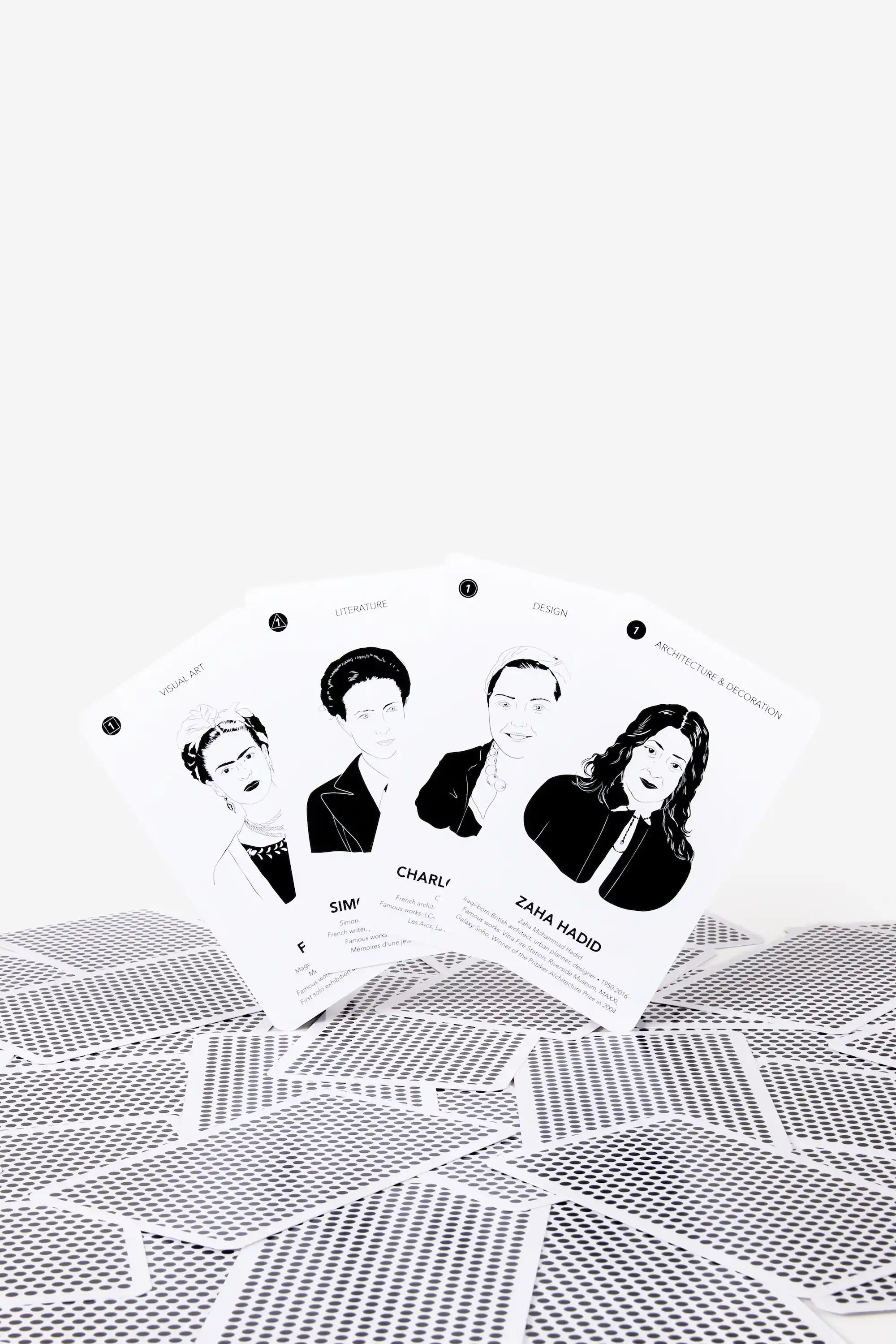
It is in this spirit that we created the Iconic Women in Art Happy Families card game. Because celebrating International Women's Rights Day also means celebrating those who created despite the obstacles — who painted, sculpted, photographed, and installed their vision of the world even as the world turned its back on them.
Each card in the game is first and foremost a name — a body of work and an artist's life. A reminder that the history of women in art is rich, powerful, and deserves to be known — by adults and children alike.
March 8th is a day of memory and action. Making visible what has been erased is a modest gesture, but every gesture counts. And why not start with a game?

🎴 Discover the Iconic Women in Art Happy Families card game at cinqpoints.com
Discover the amazing work of Aware Women in art at awarewomenartists.com